
Author name: admin

AI-powered Surgery: The Future of Orthopedic Procedures?

The future of orthopedic surgery is looking increasingly intelligent, thanks to the rise of AI-powered tools and robots. Imagine surgeons collaborating with AI to perform delicate procedures with pinpoint accuracy, minimizing risks and shortening recovery times. AI algorithms can analyze medical scans to create detailed 3D models, guide robots during surgery, and even predict potential complications before they occur. This level of precision could revolutionize joint replacements, fracture repairs, and other complex procedures, leading to better outcomes for patients and pushing the boundaries of what’s possible in the operating room.

While challenges like cost and ethical considerations remain, the potential of AI-powered surgery is undeniable. It has the power to transform orthopedic care, making it more personalized, efficient, and ultimately, more successful for every patient.
From Sci-Fi to Reality: Can Robotic Exoskeletons Make Us Superhuman?

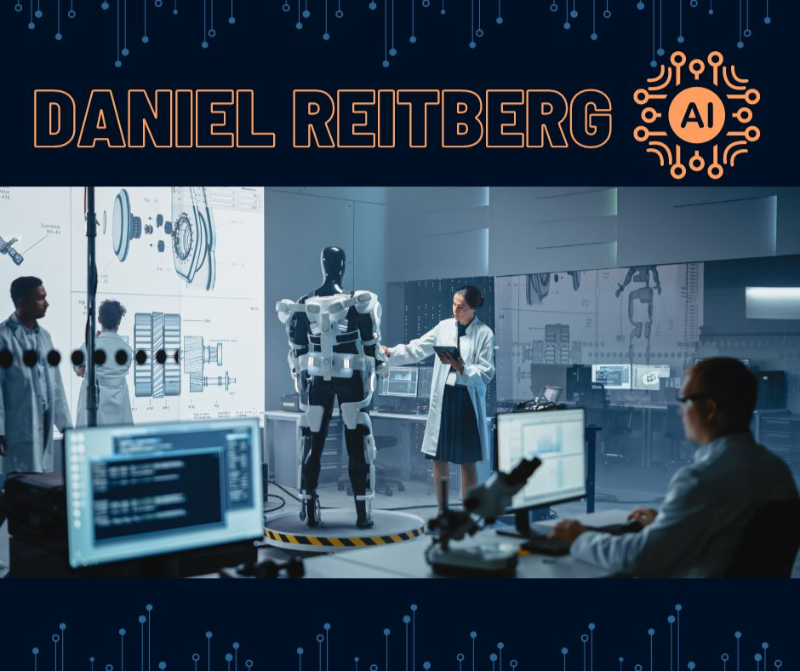
Robotic exoskeletons are rapidly transitioning from science fiction to reality, amplifying human strength, endurance, and mobility. While current technology focuses on enhancing existing abilities, future advancements could unlock superhuman capabilities. Direct neural interfaces, cognitive enhancement, and sensory augmentation hold immense potential, but raise ethical concerns and necessitate careful consideration. Responsible development and deployment are crucial to ensure exoskeletons serve as a force for good, fostering progress and expanding the boundaries of human potential.

Robots to the Rescue: How Technology is Battling Climate Change

Robots are becoming crucial allies in our fight against climate change. They tackle pollution, promote sustainable practices, and monitor environmental health. Robots clean up waste, remediate contaminated sites, and support renewable energy infrastructure. They assist in precision agriculture, forest restoration, and wildlife conservation. As technology advances, smaller and more versatile robots will further enhance environmental protection efforts. Collaboration is key to harnessing the power of robots for a sustainable future. By investing in research, development, and responsible deployment, we can ensure robots serve as protectors of our planet, leaving a lasting legacy for generations to come.

Social Robots: A Beacon of Hope for Children with Autism

Social robots offer a promising solution for children with Autism Spectrum Disorder (ASD), aiding in communication, learning, and emotional wellbeing. These robots provide a safe and nonjudgmental environment for children to practice social cues and develop communication skills. They can engage in simple conversations, recognize emotions, and offer visual prompts, all while fostering emotional intelligence and self-awareness.

The Dawn of Artificial Consciousness: Implications and Ethical Considerations

The possibility of artificial consciousness (AC) is no longer a fantasy, but a looming reality. While it offers immense potential benefits like enhanced problem-solving, personalized assistance, and expanded creativity, the ethical implications are equally significant. Concerns surrounding rights, bias, job displacement, and control demand careful consideration. To ensure responsible development and deployment, open research, ethical guidelines, education initiatives, and international collaboration are crucial. As we navigate this dawn of AC, our focus should be on creating machines that collaborate with us, amplifying our capabilities and fostering a brighter future for all.

Beyond Human Strength: How Robotic Exoskeletons are Augmenting Our Capabilities

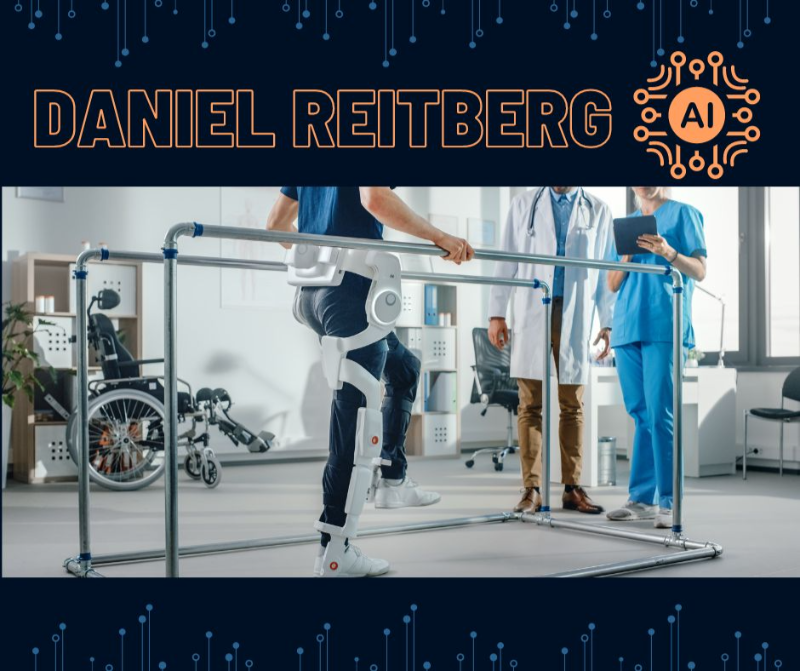
Robotic exoskeletons, once confined to science fiction, are becoming a reality. These wearable machines amplify human strength, endurance, and mobility, offering potential applications in healthcare, manufacturing, military, sports, and potentially even cognitive and sensory augmentation. While challenges like accessibility and ethical considerations remain, responsible development holds the promise of a future where humans and machines collaborate, pushing the boundaries of human capabilities.

Revolutionizing Medicine: Bioprinting and the Rise of 3D-Printed Organs

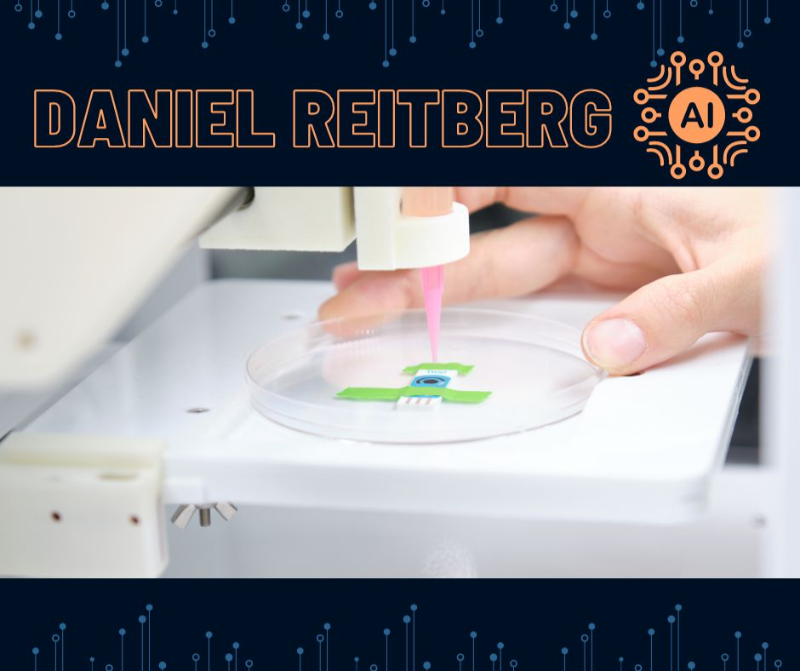
Bioprinting, the fusion of 3D printing and advanced biological materials, promises to revolutionize medicine by creating functional human organs in a lab. This groundbreaking technology offers a potential solution to the critical shortage of donor organs, saving countless lives and transforming how we treat organ failure. Bioprinting also holds promise for drug testing, disease modeling, and personalized medicine. To navigate the ethical and regulatory challenges and ensure responsible clinical applications, collaborative efforts between scientists, policymakers, and the public are crucial. As bioprinting continues to evolve, we can envision a future where organ failure becomes a relic of the past and personalized medicine offers hope for all.

Humans and Machines: A Future of Collaboration or Disconnection?

The rise of robotics raises questions about the future of human interaction. While automation offers convenience and efficiency, it also sparks concerns about social isolation and job displacement. However, a more optimistic vision suggests a future of collaboration, where robots augment human capabilities and help us achieve extraordinary things. By prioritizing human-centered design, investing in education, and fostering social connection, we can navigate the challenges and create a future where humans and machines work together for the greater good. The future is not predetermined, it is a collaborative journey where technology serves as a tool for progress, not a barrier to connection.

Breaking Barriers: How Robotics is Empowering People with Disabilities

Robotic technology is revolutionizing accessibility, offering innovative solutions like exoskeletons, prosthetic limbs, and smart wheelchairs that enhance mobility and independence. Beyond physical assistance, social robots combat loneliness and cognitive robots support learning and rehabilitation. These advancements empower individuals with disabilities to participate in homes, workplaces, and everyday life, paving the way for a more inclusive future. Addressing affordability, ethical considerations, and regulatory frameworks is crucial to ensure everyone benefits from the transformative power of robotics. By embracing this technology and addressing existing challenges, we can build a world where individuals with disabilities can thrive and reach their full potential.

Green Guardians: Robots Protecting Our Planet

Robots are becoming powerful allies in protecting our planet by tackling diverse environmental challenges. They efficiently clean up pollution, safeguard endangered wildlife, and monitor environmental health. With continued advancements and responsible deployment, robots have the potential to be the guardians of our planet, ensuring a sustainable future for generations to come.

Scroll to Top