
Uncategorized

Crystal Ball and Code: The Future of AI in Tobacco Research

Peering into the future, AI in tobacco research predicts harmful new products before they hit shelves. By analyzing smoker preferences and market trends, it anticipates next-gen tobacco, allowing regulations and anti-smoking campaigns to proactively shield against addictive innovations. This powerful tool offers a chance to nip future tobacco threats in the bud before they can take root.

The Ethics of AI in Tobacco Control: Striking a Balance Between Public Health and Individual Choice

Leveraging AI in tobacco control offers immense public health benefits, but raises ethical concerns around individual privacy, algorithmic bias, and potential manipulation. Navigating this complex landscape requires transparent, responsible development and implementation to ensure AI empowers informed choices and protects individual autonomy while safeguarding public health.

Can AI Help End the Illicit Tobacco Trade?

While AI offers powerful tools like data analysis and predictive tracking to combat the illicit tobacco trade, concerns about data privacy, bias, and implementation costs remain. Striking a balance between ethical use and effectiveness will be crucial in determining if AI can become a game-changer in ending this global scourge.

The Rise of AI-Powered Vaping Devices: Friend or Foe in the Fight Against Tobacco?

AI-powered vapes promise personalized experiences and reduced harm, but raise concerns about potential addiction, data privacy, and gateway effects to traditional cigarettes. Navigating this complex landscape requires cautious optimism, prioritizing transparency and research to determine if AI vapes are allies or adversaries in the battle against tobacco.

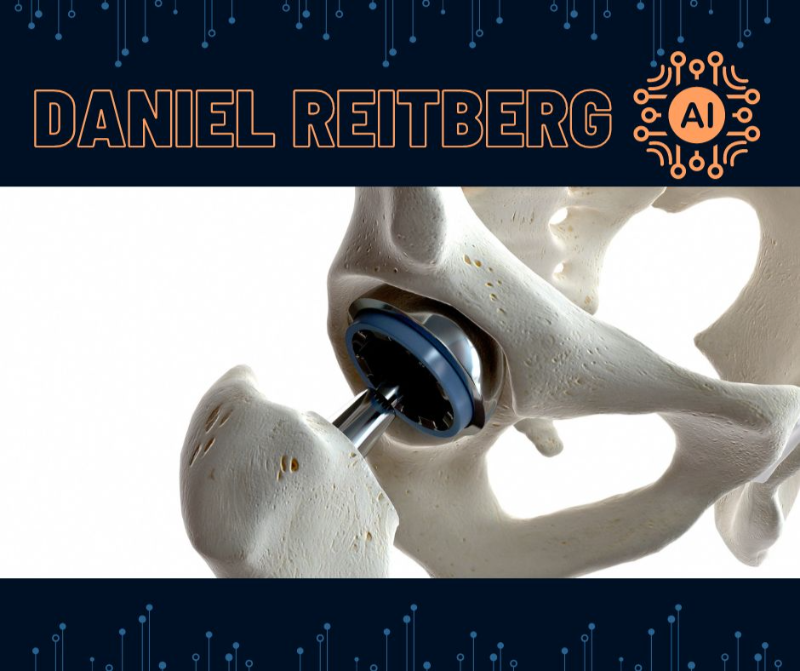
The Rise of “Smart” Implants: How AI is Transforming Orthopedics from the Inside Out

Forget inert metal and plastic! “Smart” implants, equipped with sensors, processors, and actuators, are transforming orthopedics from the inside out. Imagine real-time data monitoring joint movement, predicting problems, and even adjusting settings for optimal outcomes. This cutting-edge technology promises quicker healing, fewer complications, and a future where your implant talks to your doctor, keeping you pain-free and active. So buckle up, the future of orthopedics is getting smarter, one implant at a time!

Chronic Pain: Finding Relief in the Age of AI

Chronic pain’s grip is loosening thanks to AI. Imagine predicting flares before they strike, tailoring relief to your unique pain patterns, and even monitoring your nervous system for proactive relief. AI is more than just medication – it’s a personalized pain warrior, empowering patients with data-driven insights and smart devices to fight back and reclaim their lives from the constant ache. Let’s embrace the new dawn of pain management, where AI stands beside us, offering hope and a path towards a pain-free future.

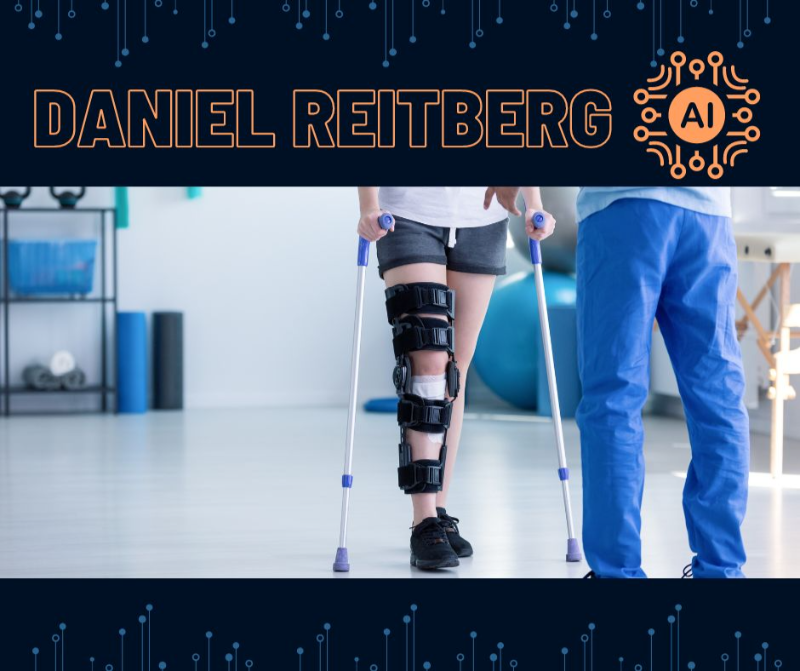
AI-Driven Rehabilitation: Revolutionizing Recovery from Orthopedic Injuries

Remember the endless gym sessions and monotonous exercises after an injury? AI-powered rehabilitation is here to ditch the drill and embrace a personalized, interactive coach that monitors your progress, tailors your workouts, and pushes you towards a faster, more effective recovery. Imagine wearable sensors providing real-time feedback on your form, virtual PTs adjusting exercises based on your muscle activation, and proactive alerts flagging potential complications before they arise.

This data-driven approach promises shorter recovery times, reduced pain, and a future where your rehab program seamlessly adapts to your unique needs. So, get ready to trade in the textbook routines for a cutting-edge recovery journey powered by AI!

AI for Personalized Treatment Plans: Optimizing Orthopedic Care

Say goodbye to one-size-fits-all orthopedic care! AI is ushering in a new era of personalized treatment plans, tailored to your unique needs. Imagine analyzing your medical history, scans, and even genetics to create a custom path to recovery. AI algorithms predict the best therapies, optimize rehabilitation programs, and even manage pain proactively. This data-driven approach promises faster healing, reduced complications, and a future where every patient receives the most effective care possible.

Scroll to Top